20–23 October 2026 | Reus, Spain
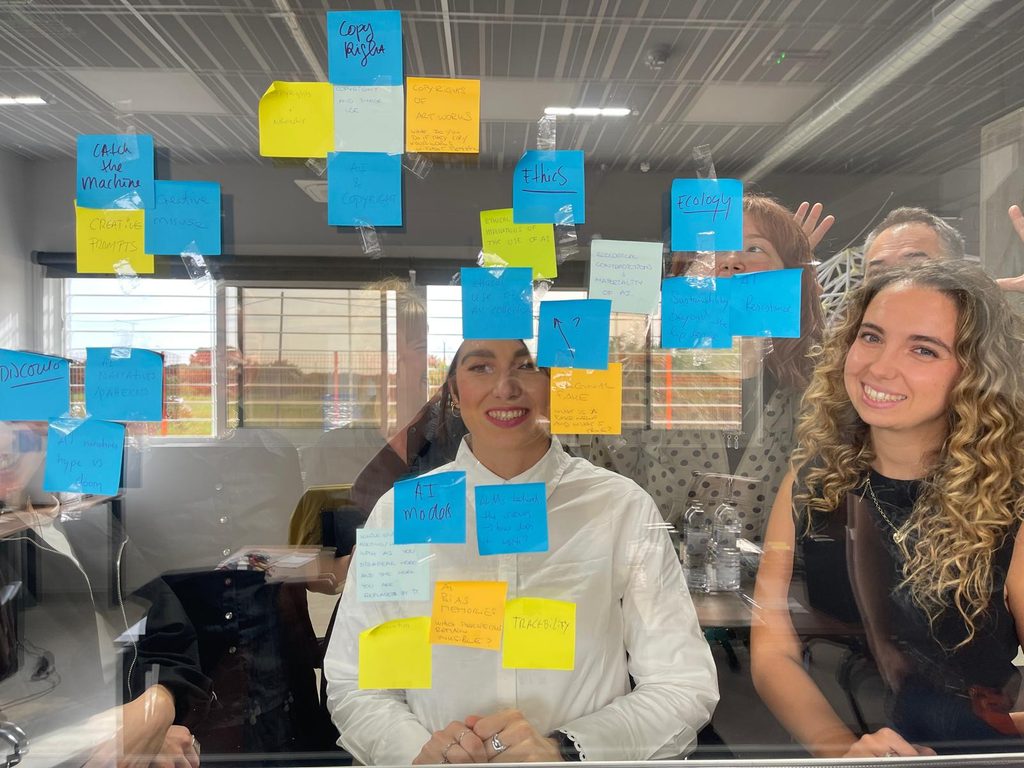
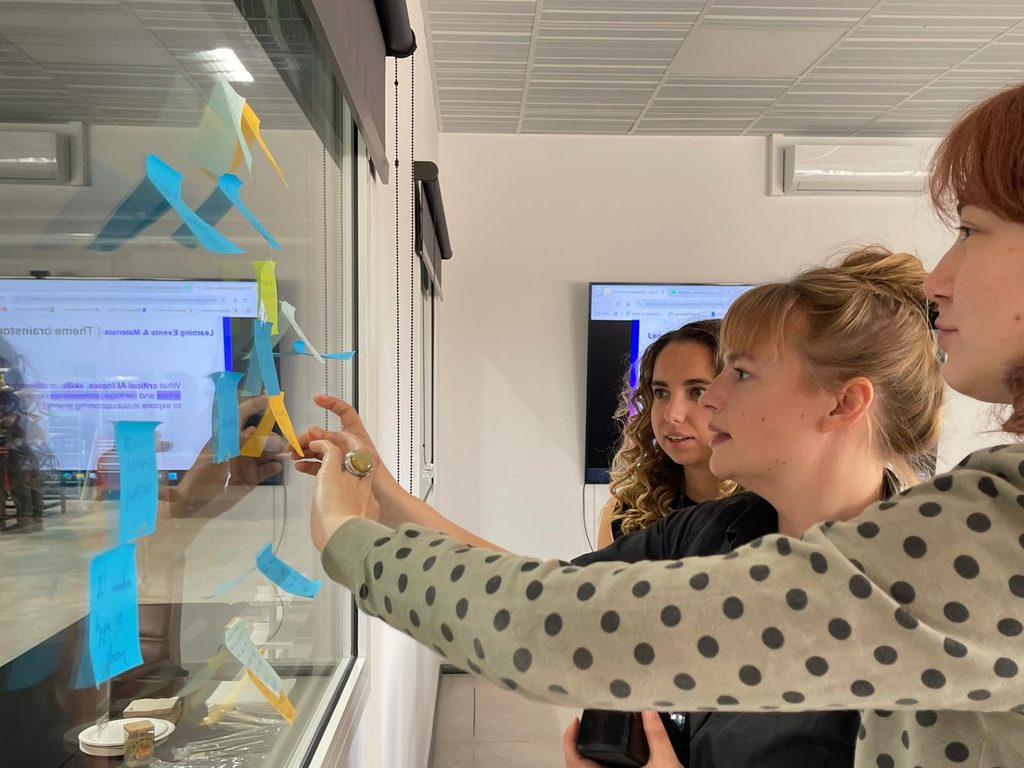
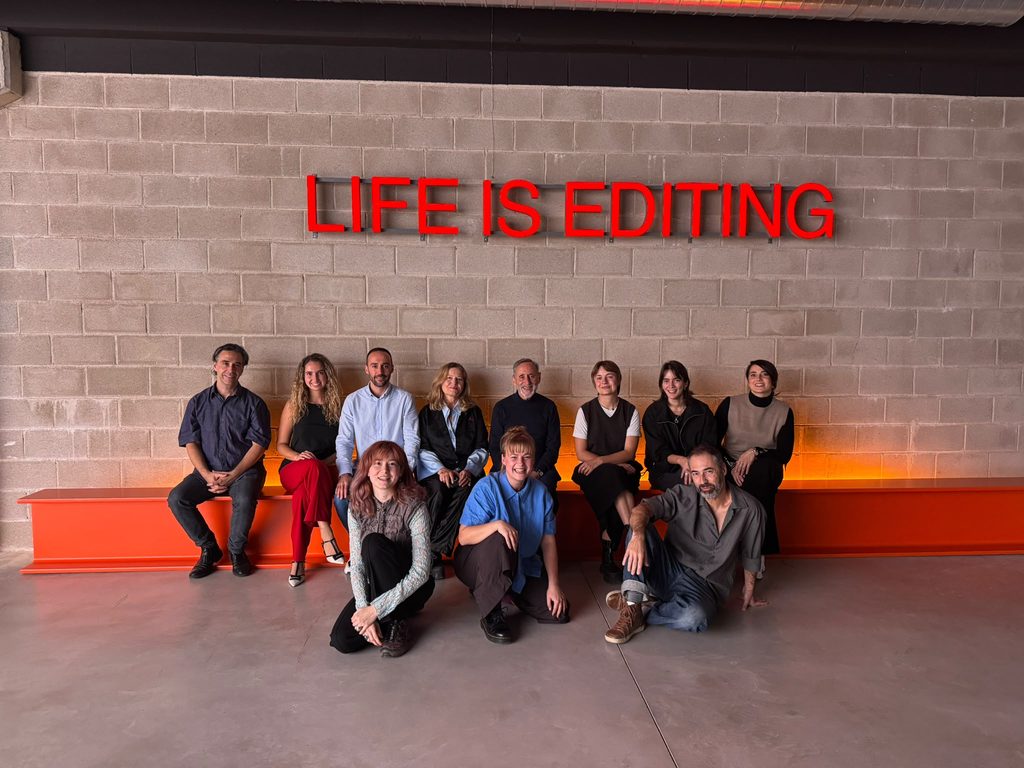
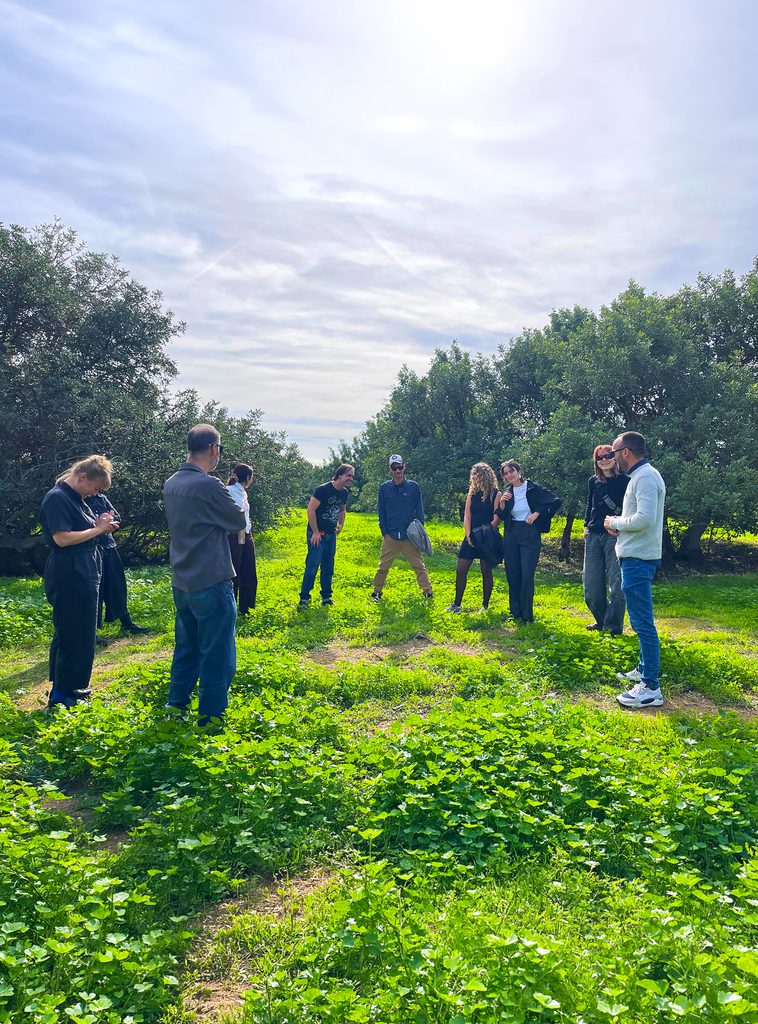
From 20 to 23 October, the ARCHAIVE partners gathered in Reus, Spain, hosted by NEWART Foundation, to work on the next stages of the project. With the international Open Call approaching, the meeting focused on preparing the upcoming artist residencies and exploring how media art archives can become spaces for artistic experimentation, critical engagement with AI, and new encounters with audiences.
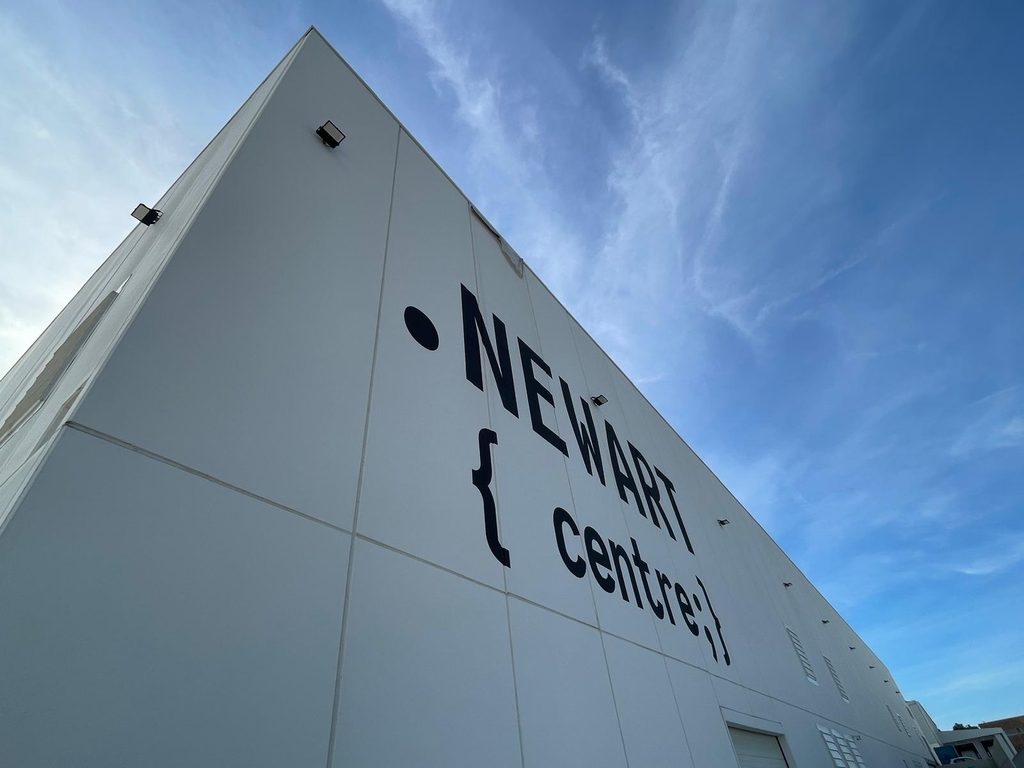
NEWART centre, Reus, Spain.
Preparing the ground for new artistic practices
An important focus of the meeting was the upcoming Open Call, which will invite 18 artists to work with media art archives across the partner institutions.
Discussions addressed how artists might engage with archival collections through different approaches to AI, as well as the practical and conceptual frameworks for the residencies. Partners also worked on the application and selection processes, accessibility, and ways of supporting artists working across different disciplines and formats.
Another important topic was Translocal Placemaking, which explores how artistic works can move beyond the institutions hosting them and encounter audiences in public spaces and across different cities. Alongside these discussions, partners shared developments in their research into archives and AI, and plans for upcoming public programmes.
Together, these conversations brought attention to the different ways archives can be approached: not only as collections of existing works and knowledge, but also as starting points for new artistic questions, interpretations and experiences.
AND PRAXIS: Preserving and reactivating media art histories
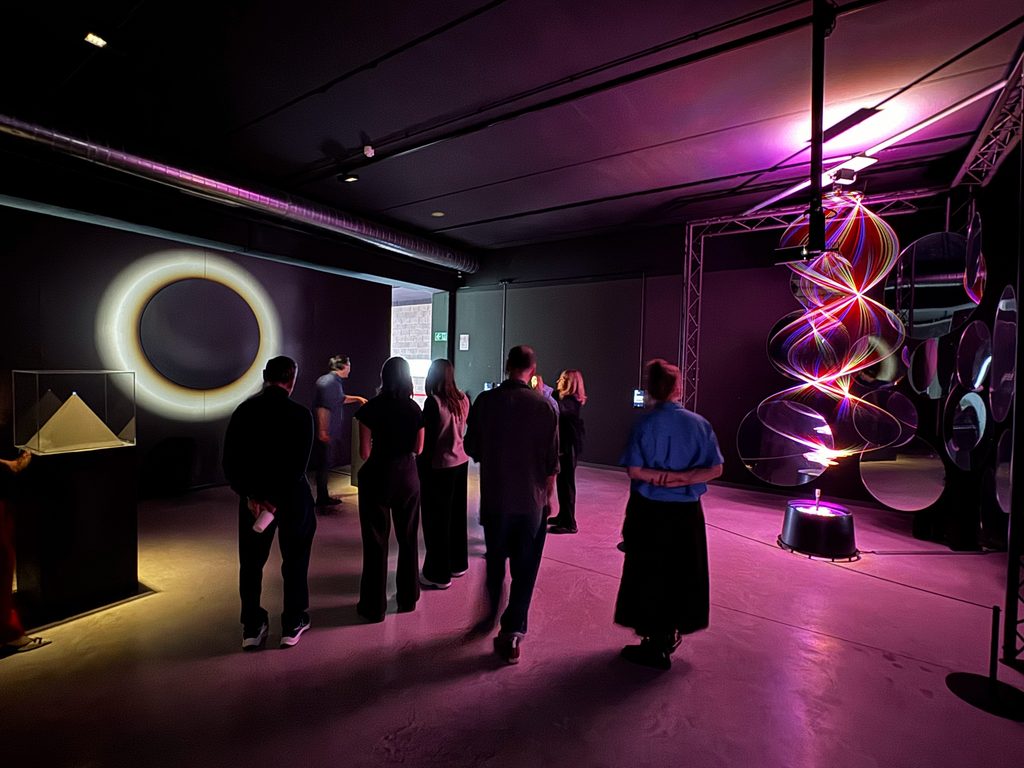
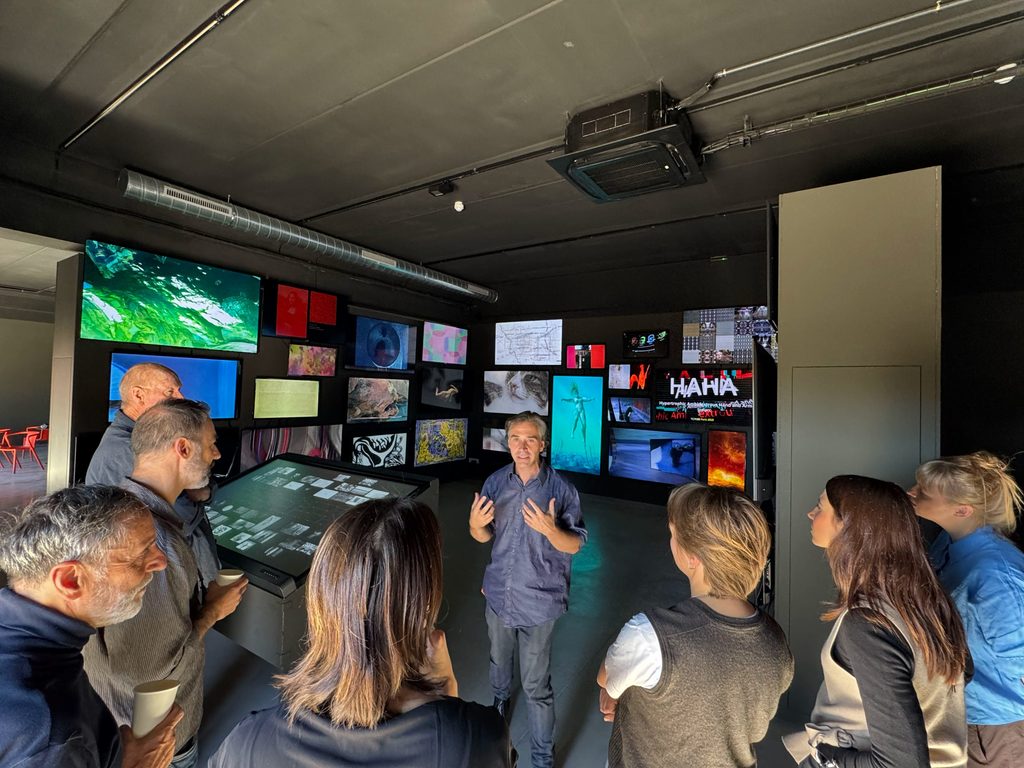
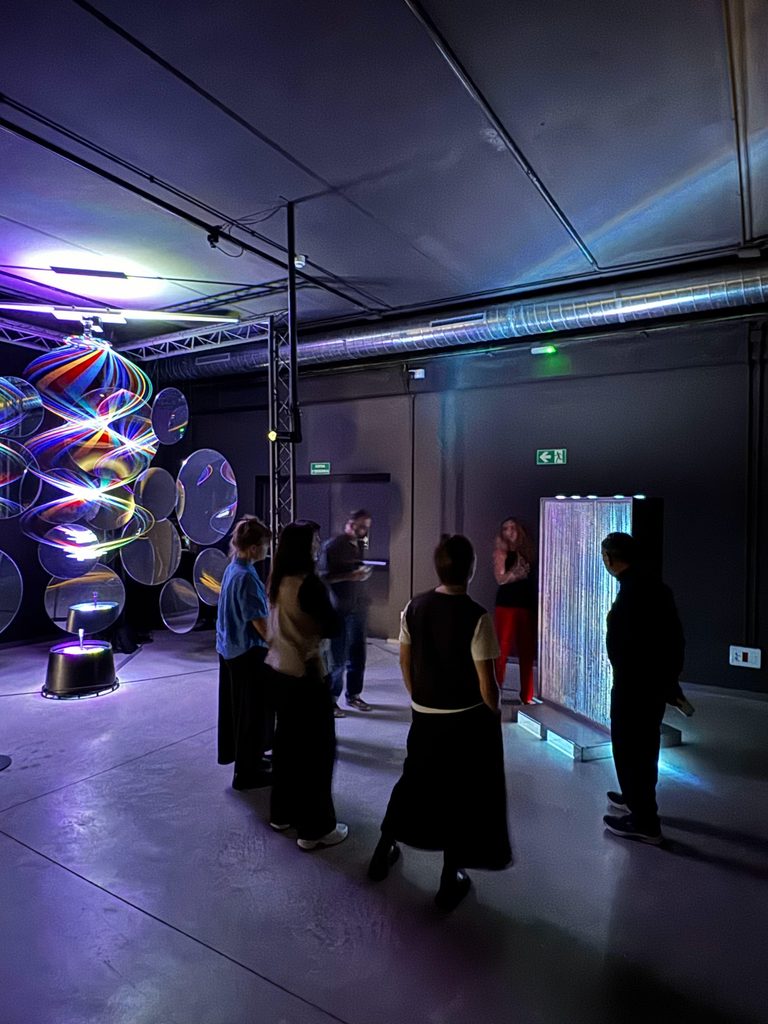
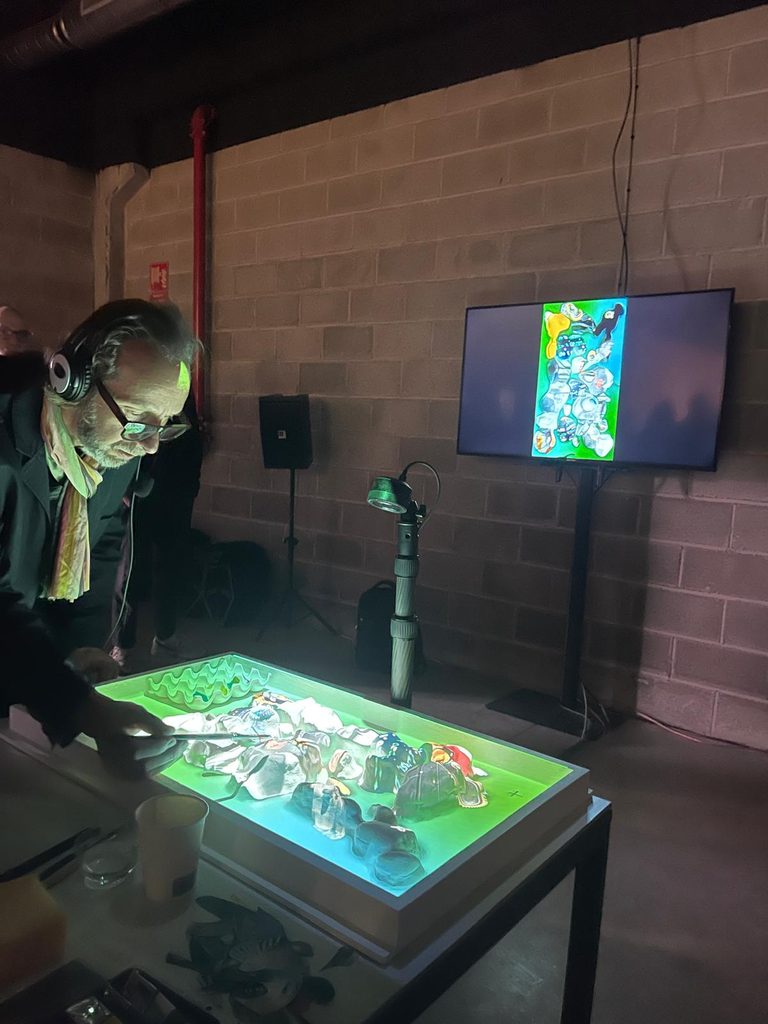
The meeting also coincided with the opening of AND PRAXIS: The Pioneering Generation of New Media Art on 22 October at NEWART Centre.
The exhibition brings together works by more than 30 international artists whose practices have contributed to the development of new media art, spanning telematic and interactive art, generative art, bioart, virtual reality and other forms of technological experimentation.
Rather than following a conventional curatorial selection, the exhibition invited artists to choose works representing their own practices. Conceived as a living archive, AND PRAXIS goes beyond presenting these works to consider their documentation, preservation and future reactivation, particularly as the technologies on which they depend become obsolete.
The opening programme included Preserving the Pioneers, a symposium presented by Pau Alsina from the Universitat Oberta de Catalunya, bringing attention to the histories and challenges of conserving new media art.
It also featured Homo Telematicus, a performance by Paul Sermon connecting participants in ten countries in real time through a shared audiovisual environment, bringing the possibilities of networked artistic participation into the present.
Experiencing these works and discussions alongside the ARCHAIVE meeting offered a valuable perspective on the questions we are exploring within the project. Media art archives are shaped not only by the artworks they contain, but also by the changing technologies, people and practices involved in their preservation and interpretation. Revisiting them means engaging with these histories while also considering how they might inform new artistic practices today.
Looking ahead
With the Open Call approaching, ARCHAIVE is preparing to welcome artists to explore these questions through research, experimentation and artistic production. The upcoming residencies will open opportunities to engage with media art archives and critically examine the role of AI in shaping how cultural memory is accessed, interpreted and transformed.
More details about the Open Call and upcoming information sessions will be announced soon.
Many thanks to NEWART Foundation for hosting the meeting and for bringing us together around the opening of AND PRAXIS.