Inside the Archive begins in Milan with MEET Digital Culture Center, ARCHAIVE’s lead partner. Founded by Maria Grazia Mattei in 2018 after decades of work around digital culture, MEET is a place where art, technology and public culture are constantly brought into conversation. Its archive, Le Radici del Nuovo, moves through the building as an in-progress collection of videos, posters, interviews, historical materials and objects tracing digital culture from the 1960s to today. For this first feature, Mattei takes us inside the archive: what lives there, which works continue to shape MEET’s thinking, and how cultural memory can become material for new artistic languages.
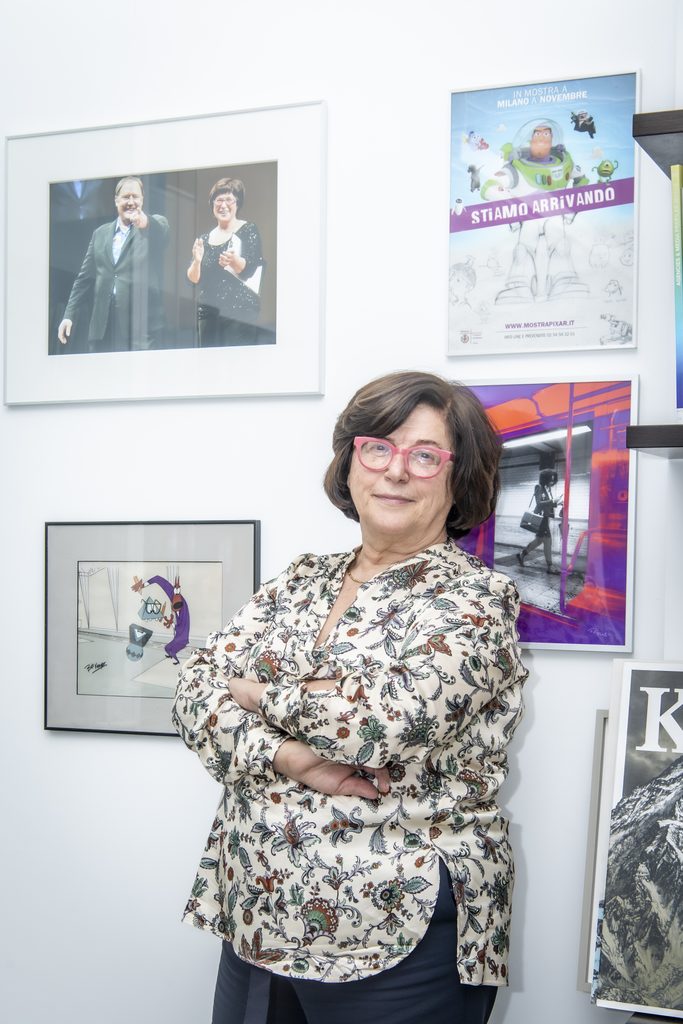
Maria Grazia Mattei, Founder and President of MEET Digital Culture Center. Photo: Francesco Prandoni.
What lives in your archive?
Le Radici del Nuovo brings together decades of digital culture and the evolving relationship between artistic practices and technology, in Italy and internationally, from the 1960s to the present day.
It is not a collection of artworks in the traditional sense: what we preserve is primarily the documentation of this evolution, through videos, interviews with artists and key figures in digital culture, as well as posters, historical materials and iconic objects, including a Data Glove, one of the pioneering devices that marked the development of immersive technologies.
MEET’s archive is present throughout our spaces. It is a living memory of how new artistic languages have emerged and evolved, from analogue to digital.
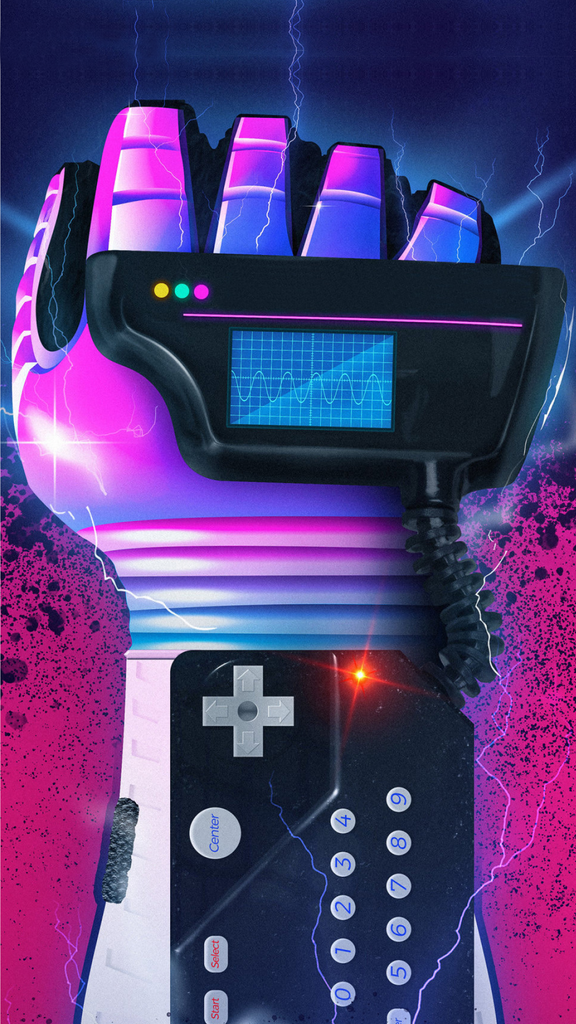
Power Glove — Mattel. An iconic wearable controller from the late 1980s, pointing to early experiments in gesture-based interaction and new ways of engaging with digital environments.
Is there an existing artwork, project or artistic practice around AI and archives that you find particularly inspiring or thought-provoking?
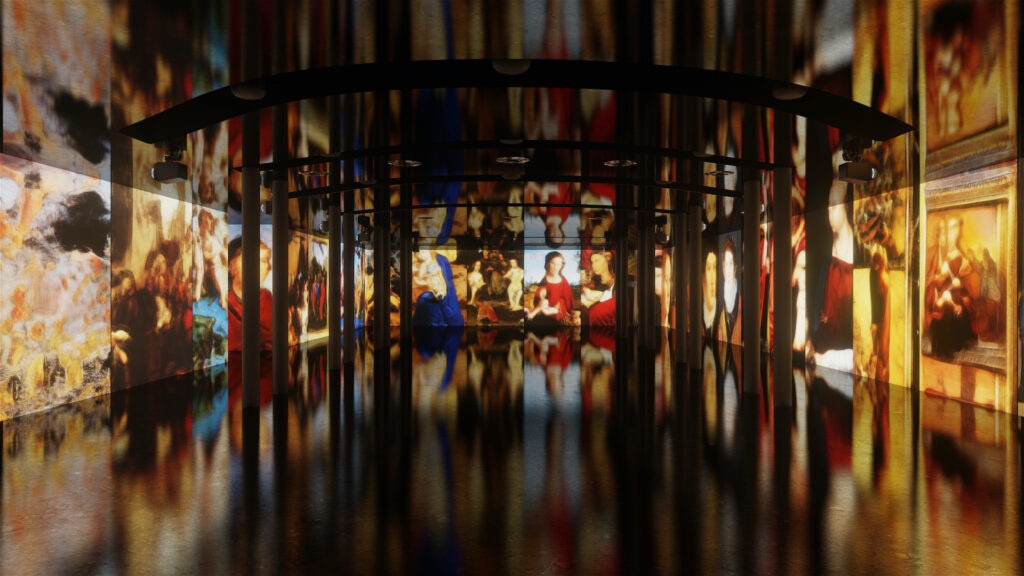
Renaissance Dreams by Refik Anadol, the immersive artwork with which we inaugurated MEET, is a particularly meaningful example. Created in 2019, it draws on a vast body of images and cultural references from the Italian Renaissance, reinterpreting them through artificial intelligence and transforming historical heritage into a new visual experience. Although it does not use materials from our own archive, the work anticipated remarkably original aesthetic forms well before the current widespread adoption of generative AI, offering a new perspective on historical and artistic heritage.
What interests me most is precisely this ability to generate new artistic languages: the same archive can become the starting point for immersive installations, audiovisual works or interactive systems of exploration. It is not simply about representing the past differently, but about revealing new connections, interpretations and meanings through artistic experimentation.
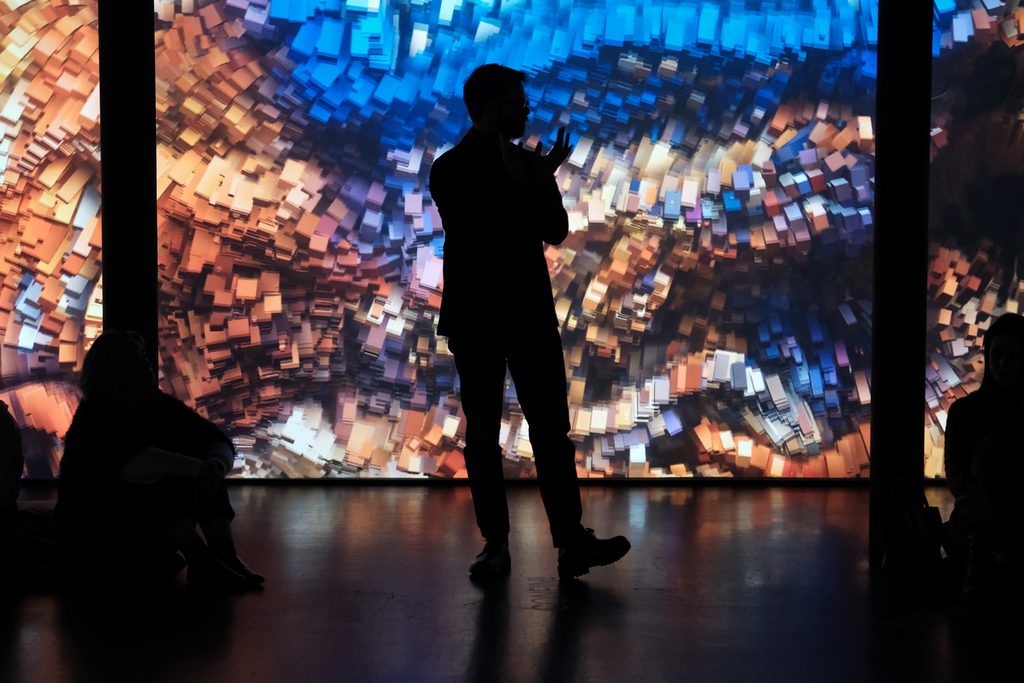
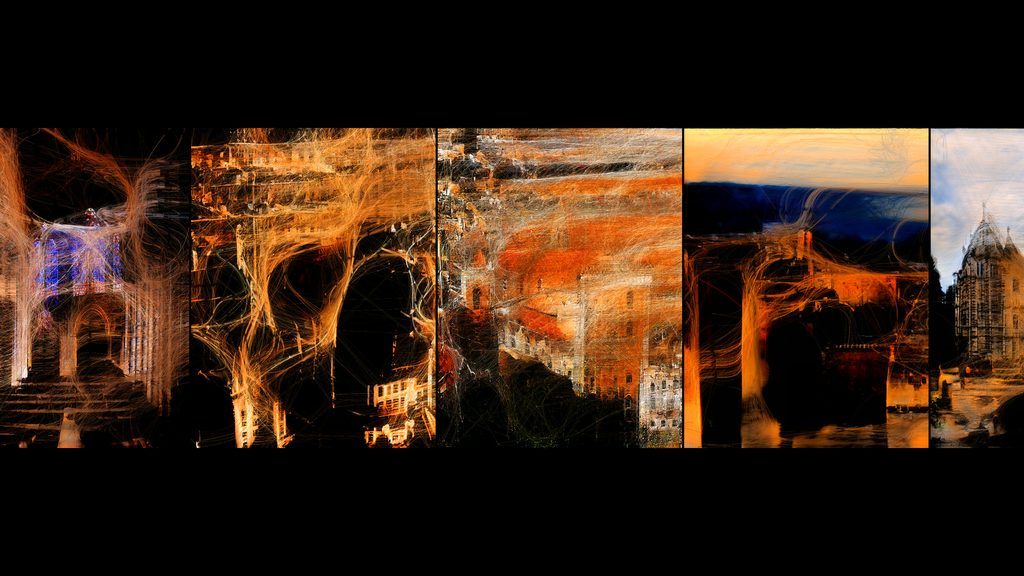
A glimpse into Renaissance Dreams by Refik Anadol, a site-specific immersive work that uses AI to reinterpret a vast corpus of images and texts from the Italian Renaissance, translating cultural memory into a continuous audiovisual environment.
Which of your past or upcoming projects connect to ARCHAIVE?
At MEET, we have long been exploring how new technologies can enhance archives and offer new ways of interpreting cultural heritage. We have investigated these possibilities through our collaboration with Teatro alla Scala on Puccini Digitale, a project dedicated to reinterpreting musical heritage through digital languages.
Another significant example is Milano Fabbrica di Futuro, an audiovisual installation created for Milan Malpensa Airport, in which artificial intelligence transformed literary texts and accounts by cultural figures, past and present, into images offering an unexpected perspective on the city.
These experiences are closely connected to ARCHAIVE: we are interested in exploring how memory, through technology and the creativity of artists, can generate new narratives, new artistic languages and new forms of cultural experience.
What interests you about participating in ARCHAIVE?
ARCHAIVE gives us the opportunity to build on the work we have been doing with our media art archive, bringing new value to its heritage and exploring the potential of artificial intelligence to give it new life.
We are interested in how an archive can become not only a place for preserving memory, but also an active resource for artistic creation. I am particularly curious to see how different artists will reinterpret the same materials through different creative languages, transforming them into new artworks, installations or interactive experiences.
Another fundamental aspect is the opportunity to discover the archives of our European partners, connect different collections and histories, and experiment with new ways of accessing and experiencing this heritage, reaching wider audiences beyond museums, in our cities and public spaces.