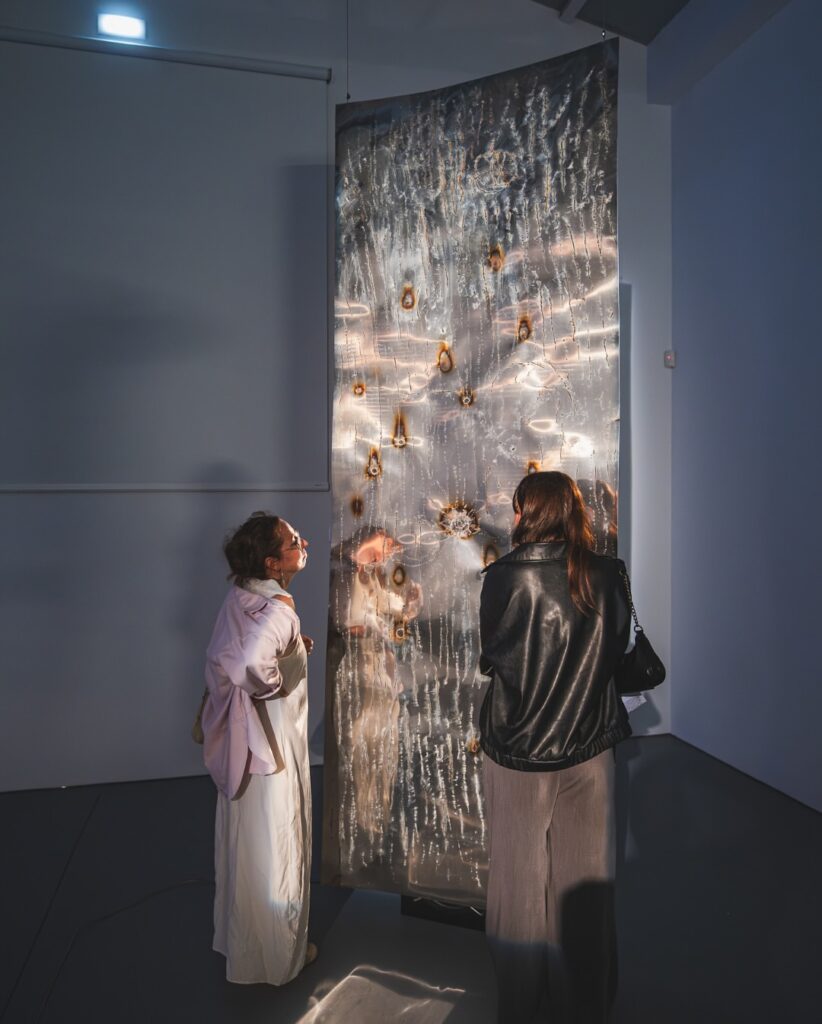
Our third Inside the Archive takes us to Santa Catarina da Fonte do Bispo in Portugal’s Algarve, where Museu Zer0 occupies a former agricultural complex transformed into a centre for digital art. Its silos, immersive spaces and exhibition rooms are not simply containers for artworks: the particular history and architecture of the place have become part of how the museum approaches artistic production, experimentation and cultural memory.
Unlike some of ARCHAIVE’s partners with long-established collections, Museu Zer0 is still actively shaping its own institutional archive.
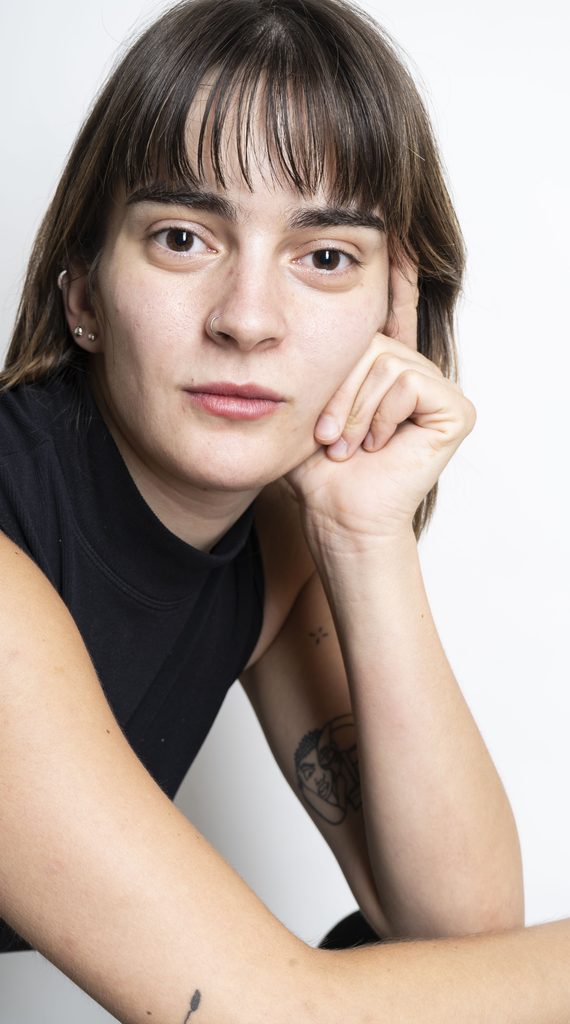
Photo: Vico Ughetto / Museu Zer0.
Ana Rita Dias, Coordinator of Exhibitions & Cultural Mediation and part of the team working on ARCHAIVE, takes us inside this evolving context — from the external archives the museum is already engaging with to its current exhibitions, residencies and references for thinking about AI and memory.
What lives in your archive?
Having opened around a year ago, Museu Zer0 is still actively structuring its own institutional archive. Without a consolidated internal collection yet, we are working with an external one, PO.EX, which is a Digital Archive of Portuguese Experimental Literature, a curated open-access dataset documenting the Portuguese experimental poetry and intermedia movement from the 1960s onwards.
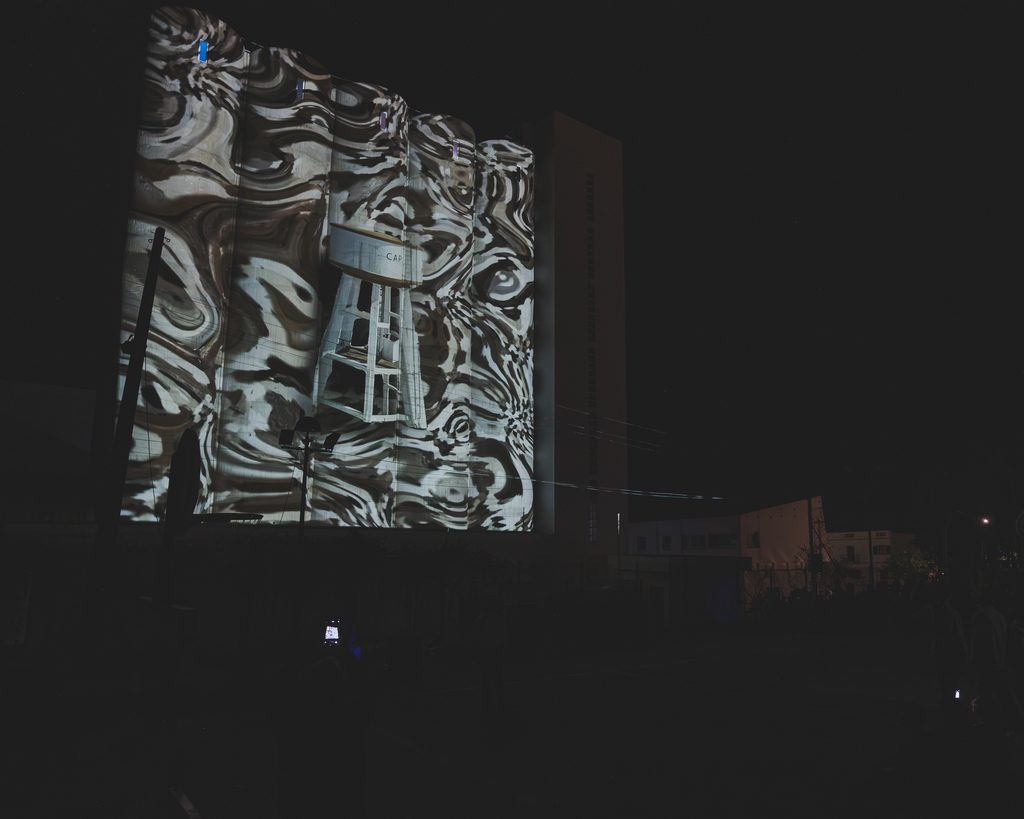
Photo: Vico Ughetto / Museu Zer0.
Site-specific video mapping projected onto the architectural silos of Museu Zer0 in Santa Catarina da Fonte do Bispo, developed in collaboration with Open Field to mark the museum’s opening.
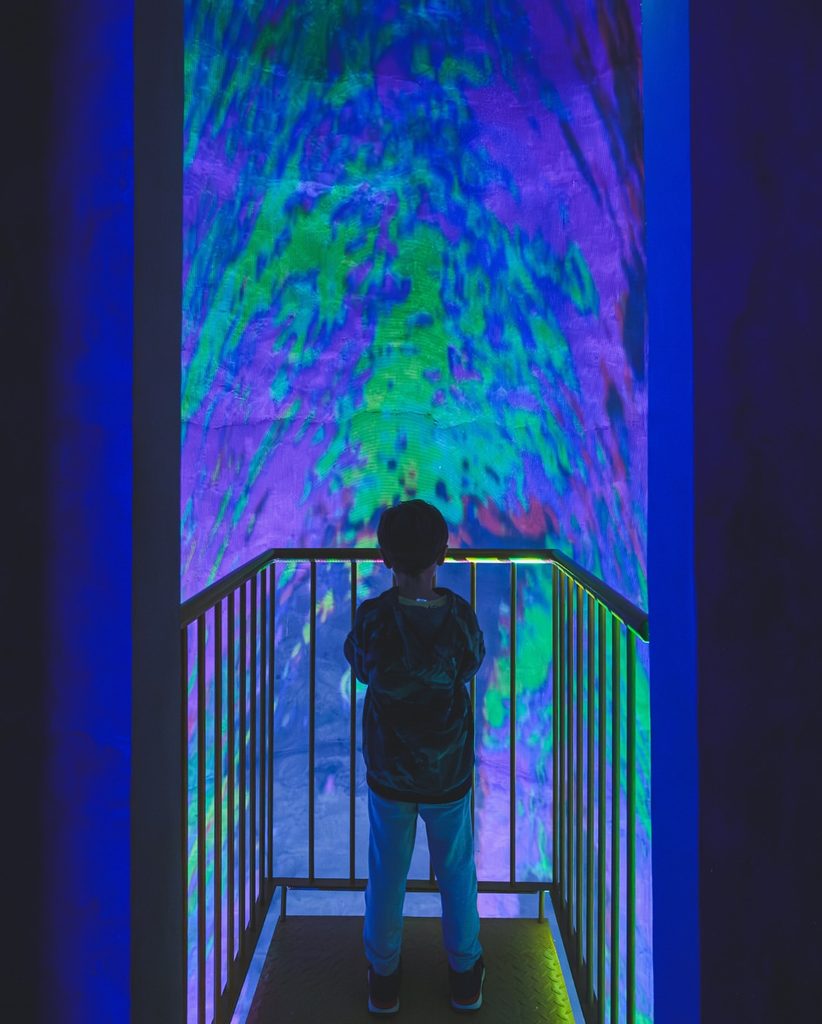
Photo: Vico Ughetto / Museu Zer0.
Inside of one of the silos, with the projection of Francisca Rocha Gonçalves and Christian Dimpker: Trapped Ecologies.
Is there an existing artwork, project or artistic practice around AI and archives that you find particularly inspiring or thought-provoking?
major reference is Refik Anadol’s Archive Dreaming, which uses around 1.7 million documents and their multidimensional intersections to build an installation. It opened new ways to rethink machine learning not just to index data, but as a medium to transform archives, reframe history and memory.
Which of your past or upcoming projects connect to ARCHAIVE?
Our current exhibition, lugar-depois, starts from the idea that a place never ceases to exist when its original function disappears. Connecting industrial heritage, ecology, technology and digital culture, it reframes territory, especially Barrocal, as in a continuous transformation.
ARCHAIVE naturally extends this vision: rethinking institutional archives as living matter that can be reinterpreted, explored and actively transformed.
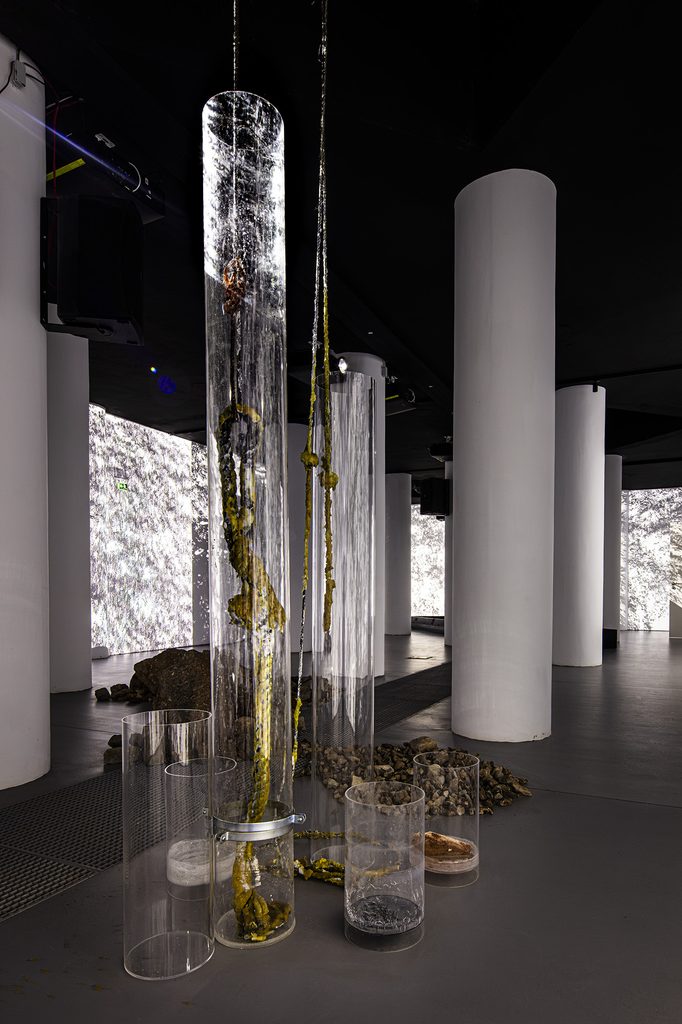
Photo: Ana Viegas / Museu Zer0.
TAR, by Francisca Rocha Gonçalves and Anna van der Velde, from the current exhibition lugar-depois. Through video, sound and installation, the work creates a submerged, fragile environment connected to the Ria Formosa and its ecosystems.
What interests you about participating in ARCHAIVE?
For Museu Zer0, our interest in ARCHAIVE originates from a simple conviction: without memory and archives, there is no future. As a museum dedicated to digital art and experimental creation, joining forces with artists and institutional archives gives us the possibility to explore Generative AI as a critical tool, one that can map our collective past while helping us (re)imagine and build what comes next.
Photo: Vico Ughetto / Museu Zer0.