Our fourth Inside the Archive takes us to Reus, Spain, and NEWART Centre, where exhibiting technological art is only one part of the work. Behind the exhibition spaces, the collection extends into storage rooms and workshops, where artworks are reviewed, repaired, documented and prepared to live again in new contexts.
The NEWART Collection has developed over more than two decades around art at the intersection of technology, science and contemporary culture. Its history is closely connected to the former ARCO-BEEP Electronic Art Award, and its works range from video and software to interactive, generative and immersive practices.
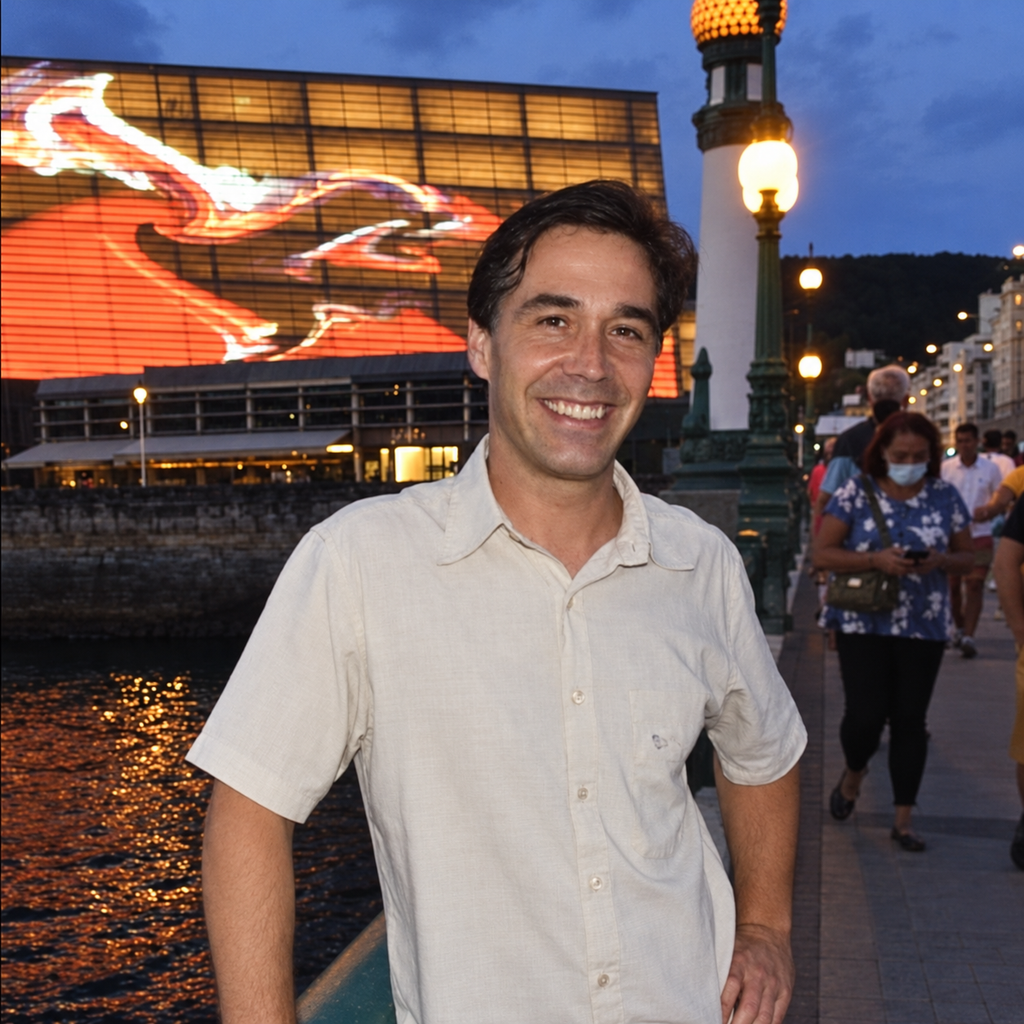

For this feature, Jaime de los Ríos, Artistic & Technical Director of NEWART Foundation, and Raquel Torrecilla i Pallarés, Head of Mediation and Education at NEWART Centre, take us inside this process from two different sides: how technological artworks are cared for and reactivated, and how they are brought back into contact with audiences.
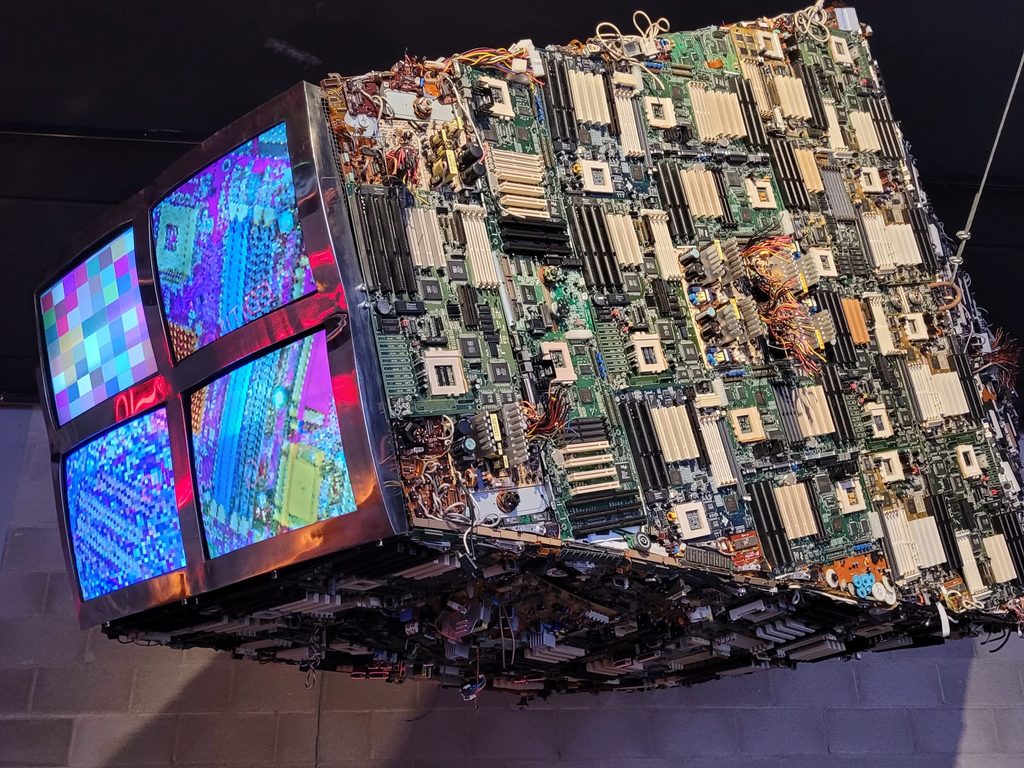
Urbetrònica II, Marie-France Veyrat, 1999, audiovisual installation.
What lives in your archive?
Our archive lives somewhere between the storage room and the workshop. The NEWART foundation collection brings together technological artworks from the 1960s to today: video, software, interactive and generative pieces, many linked to the ARCO/BEEP Electronic Art Award.
With each work we keep what it needs to survive: technical sheets, code, spare parts, installation manuals, condition reports and, above all, the artist’s own account of how the piece should behave.
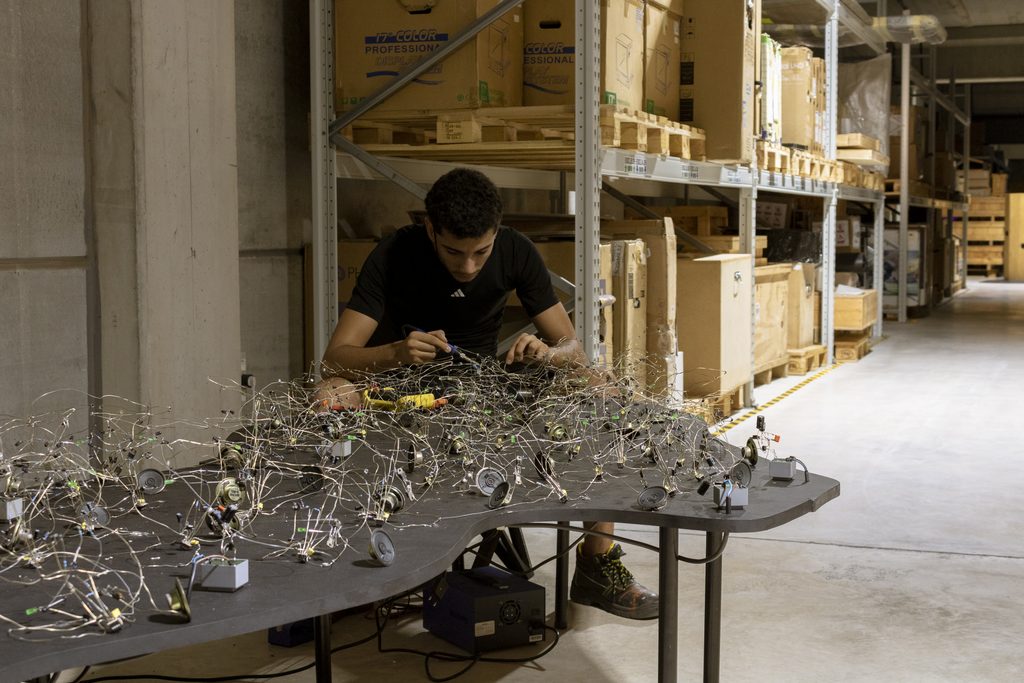
Behind the scenes, this work continues in the NEWART Centre warehouse and workshop, where the electronics, hardware and physical components of technological artworks are inspected and prepared for future exhibitions.

Marina Núñez’s Still Life Swell reworks the still-life genre through digitally animated turbulence. Fabrics, vessels and liquids shift within an apparently stable scene, turning hyperreal detail into a reflection on instability, nature and human existence.
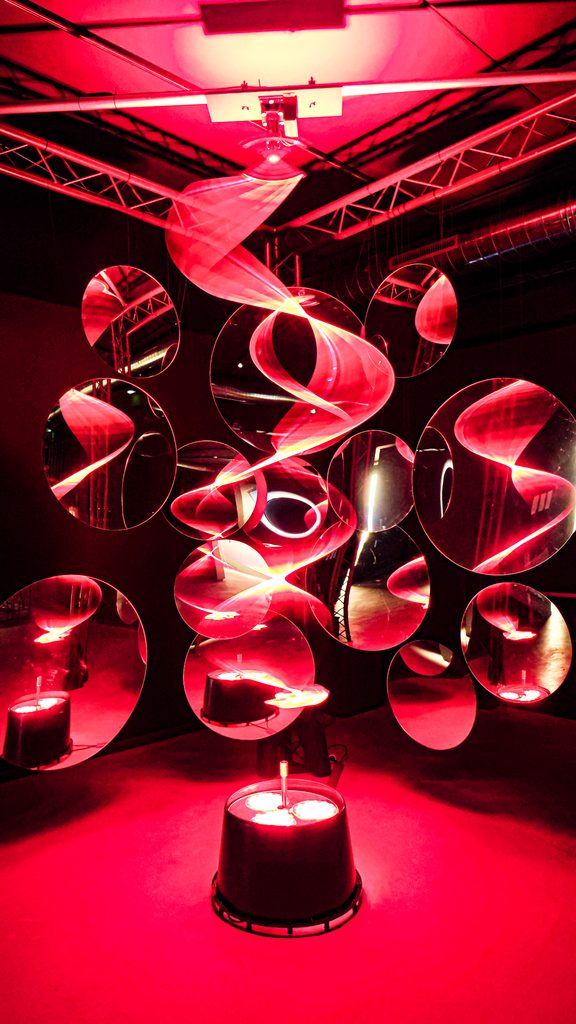
Paul Friedlander treats light as a sculptural material. In Dancing Waves, movement and optical effects give light an almost physical presence, creating forms that appear suspended, fluid and continuously changing in space.
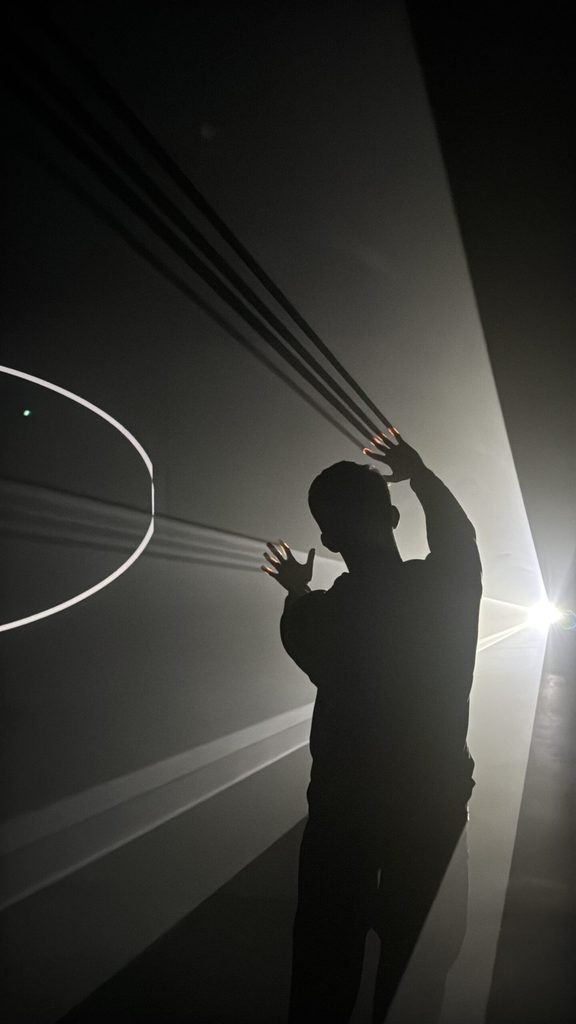
Anthony McCall’s Face to Face II turns projected light into an apparently solid, walk-through sculpture. As visitors move through its intersecting planes of light, their bodies continually reshape the work’s ephemeral architecture.
Which of your past or upcoming projects connect to ARCHAIVE?
On 22 October we opened AND PRAXIS at NEWART centre in Reus, an exhibition on the practice of new media art that brings historical and recent works together. More broadly, our daily conservation work – reviewing, restoring and reactivating collection works before each exhibition – is a living laboratory for the questions archAIve is asking.
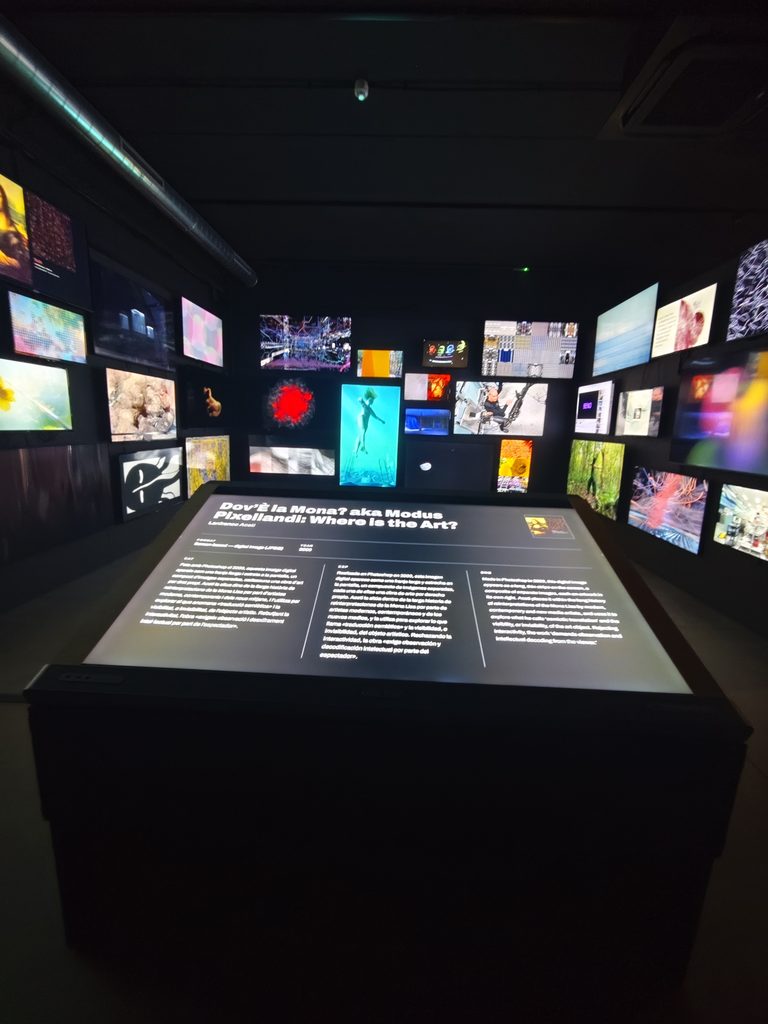
More than thirty pioneers of new media art meet in AND PRAXIS, forming a shared screen-based environment conceived as a living archive.
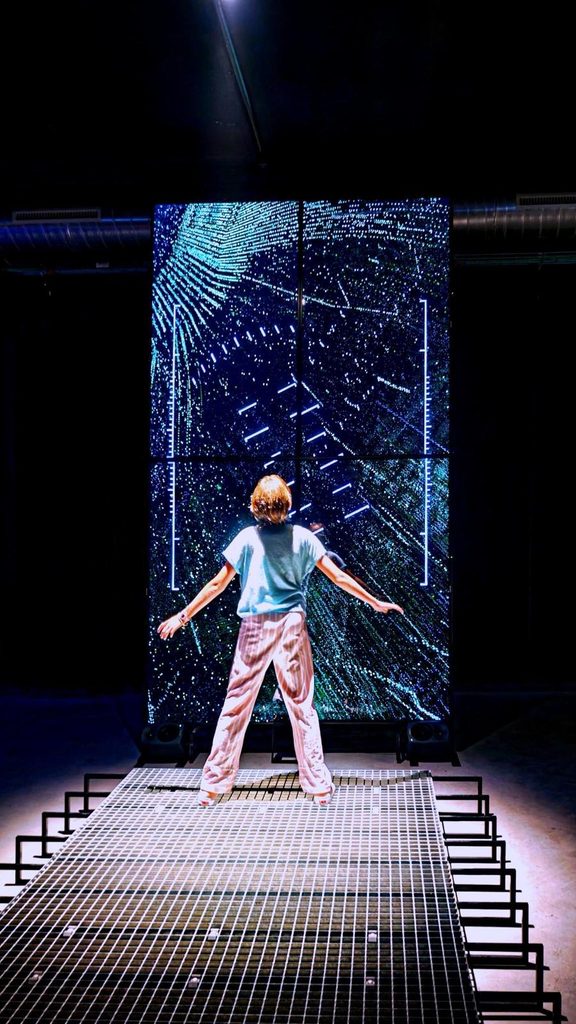
Marnix de Nijs’s Non-Dimensional Cities turns navigation into a bodily experience. Participants move through a constantly reconfigured virtual city built from point clouds, panoramic imagery and sound, while shifts in perspective and balance destabilise their sense of space.
Is there an existing artwork, project or artistic practice around AI and archives that you find particularly inspiring or thought-provoking?
Refik Anadol’s Archive Dreaming (2017) used machine learning to explore around 1.7 million documents from the SALT Research archives in Istanbul, turning them into an immersive space visitors could navigate. It is spectacular, and that is exactly why it raises useful questions for archAIve: what does an archive become when an algorithm reorganises it? Who decides what stays visible, and what context gets lost along the way?
What interests you about participating in ARCHAIVE?
For us, ARCHAIVE starts from a question we face every day in our conservation lab: how do you keep a media artwork alive when the technology it depends on disappears? Preserving is not freezing; it is also documenting, reactivating and reinterpreting. ARCHAIVE lets us explore this with partners who care for very different archives, and ask openly what generative AI can bring to archives and what it should not touch.